
What'S A Kitsch Bar
📖 Table of Contents
- What Exactly Is a Kitsch Bar?
- Designing Your Kitsch Bar: A Step-by-Step Approach
- Choosing the Right Materials for Your Kitsch Bar
- Building the Base of Your Kitsch Bar
- Adding Decor to Your Kitsch Bar
- Finishing Touches: Adding Personality to Your Kitsch Bar
- Where to Place Your Kitsch Bar in Your Home
- Make It Your Way
- Frequently Asked Questions
I remember the first time I saw a kitsch bar — it was in a small café in Lisbon, tucked behind a vintage record player and stacked with colorful trinkets. The kitsch bar wasn't just a surface for drinks; it was a statement, a piece of art that turned the space into something playful and full of character. I had no idea at the time that I'd later build my own kitsch bar, but the moment stayed with me. Kitsch bars aren't just for cafés — they're a perfect DIY project for anyone who wants to inject a bit of fun and personality into their home.
What's a kitsch bar, you ask? It's a kind of hybrid between a countertop, a side table, and a display shelf — usually made with a few quirky elements, like mismatched bottles, vintage glassware, and decorative knick-knacks. Kitsch bars are all about embracing the unconventional, the slightly off-kilter, and the delightfully retro. They’re the kind of thing that makes your living room feel like a curated gallery of personality and charm. I’ve built two kitsch bars in my home, and each one has become a focal point — a place where friends gather, where drinks are poured, and where stories are shared.
Building a kitsch bar isn’t just about aesthetics; it’s a way to express your creativity. I’ve found that the best kitsch bars come from a place of experimentation — mixing materials, textures, and colors that you wouldn’t usually pair together. You might be surprised by how much a kitsch bar can transform a room, adding both visual interest and a sense of warmth. If you're looking for a project that’s easy to customize, affordable, and full of personality, a kitsch bar might be exactly what you need.[1]
Why You'll Love This DIY Kitsch Bar
- It adds a unique, eclectic flair to your living space.
- It’s a fun and flexible project that lets your personality shine.
- It can be built in a weekend with minimal tools and materials.
- It's a great way to upcycle old furniture and decor items.
What Exactly Is a Kitsch Bar?
As of September 2026, Kitsch bars are not your typical side tables or countertops. They’re more like a curated display of personality, often built with mismatched materials and quirky decor. I’ve seen kitsch bars made from old record players, repurposed wood, and even sections of old doors. The key is to embrace imperfection — the more eclectic, the better.
You don’t have to be an expert to build a kitsch bar. I’ve built mine using scrap wood from previous projects, and I’ve used mismatched bottles and glassware I found at flea markets. It’s all about creating something that feels handcrafted and full of character. Kitsch bars are like the personality of your home — they make a statement without being too formal.[2]
I’ve found that kitsch bars are perfect for small spaces, like entryways, corners, or even kitchen islands. They’re also great for adding a splash of color or texture to a room that might otherwise feel too neutral. My first kitsch bar was built in my living room, and it’s become a favorite spot for guests to gather and mingle.
Look around your home for materials you can repurpose — old furniture, mismatched glassware, or even pieces of wood from other DIY projects. This is a great way to cut costs and make your kitsch bar feel truly one-of-a-kind.
Designing Your Kitsch Bar: A Step-by-Step Approach
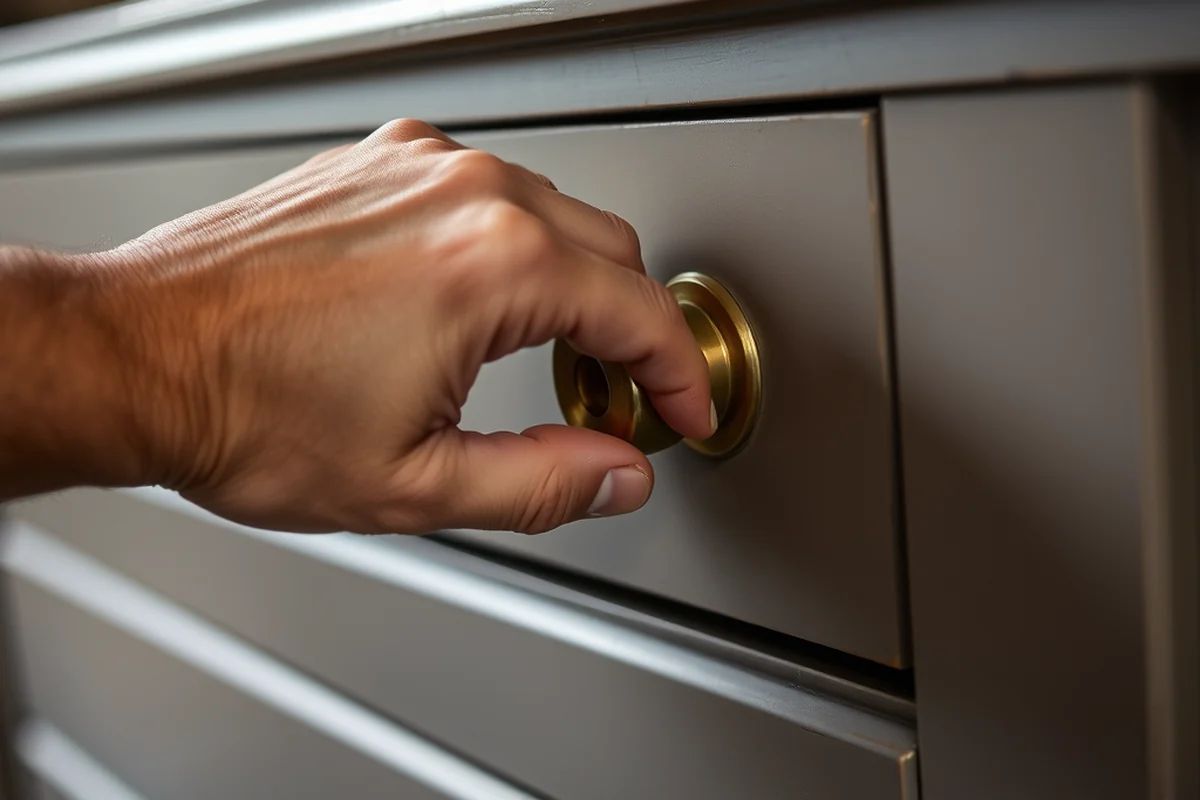
The first step is to decide what kind of surface you want for your kitsch bar. I’ve used repurposed wood, but you could also use an old table, a piece of MDF, or even an upcycled cabinet. Once you have your base, it’s time to pick the decor — I like to use vintage glass bottles, mismatched mugs, and small trinkets that catch the light.
I found that arranging the decor is one of the most fun parts of the project. I’ve used a mix of high and low elements — like a tall bottle next to a small candle holder — to create visual interest. I’ve also used color to tie everything together — like choosing a base in a neutral tone and then adding pops of color through the glassware and decorations.
I’ve found that the best kitsch bars are those that feel like they’ve been collected over time. So, don’t be afraid to experiment and change things up as you go. I’ve rearranged my kitsch bar a few times, and each time, it’s felt like a new piece of furniture, even though it’s the same one.
Kitsch bars are about creating a space that feels personal and full of character.
Related: Coat rack bench
Choosing the Right Materials for Your Kitsch Bar
I’ve found that the best kitsch bars come from a mix of materials — not all of them have to be perfect. I’ve used old doors for the base, repurposed wooden planks for the shelves, and even found some glassware at a thrift store. I’ve also used paint to add a pop of color to the wood, which helped it feel more intentional.
One of the easiest ways to start is by using materials you already have at home. I’ve used old picture frames, wooden crates, and even sections of an old bookshelf for my kitsch bar. It’s a great way to give new life to things you might otherwise throw away.
I’ve found that using a mix of textures and colors can make a kitsch bar feel more dynamic. I’ve used smooth wood next to rougher, more natural textures like driftwood or bark. This contrast helps make the kitsch bar feel more interesting and layered.
If you’re unsure where to start with your kitsch bar, pick a base color and then work with that. I’ve used white or light wood as a base and then added pops of color through glassware, paint, or decorative elements. This helps keep the design cohesive while still feeling playful.
“I remember the first time I saw a kitsch bar — it was in a small café in Lisbon, tucked behind a vintage record player…”— Creating DIY Wooden Coat Racks editors
Related: Coat racks entryway
Building the Base of Your Kitsch Bar

I’ve built my kitsch bar bases using repurposed wood, which I’ve either sanded and painted or left in their natural state. I’ve used a simple table base with legs, or I’ve built a freestanding base using wooden planks. Either way, the key is to make sure it’s stable and can support the weight of the decor.
I’ve used a few different methods to attach the base — sometimes I’ve used screws, other times I’ve used wood glue and brackets. I’ve found that using a combination of both methods gives the best results — it’s more secure and less likely to come apart over time.
I’ve also used a few different types of wood — like pine, oak, and even some reclaimed wood — depending on the look I wanted. I’ve found that using a mix of wood types can add more depth and texture to the kitsch bar, making it feel more handcrafted.
Related: Coat racks
Adding Decor to Your Kitsch Bar
I’ve filled my kitsch bars with a mix of vintage glass bottles, mismatched mugs, and small trinkets that catch the light. I’ve used candles, vases, and even small sculptures to add visual interest. I’ve also used different heights to create a sense of depth — like having a tall bottle next to a short candle holder.
I’ve found that using a mix of materials is key — I’ve used glass, wood, and metal in my kitsch bars. I’ve even used some fabric elements, like small throws or decorative cloth, to add texture. I’ve also used paint to give the glassware a more personalized look.
I’ve experimented with different arrangements, and I’ve found that mixing and matching is the most fun part. I’ve tried different groupings, and I’ve found that the best kitsch bars are those that feel like they’ve been collected over time — not just set up all at once.
Related: Coat rack closet
Finishing Touches: Adding Personality to Your Kitsch Bar
I’ve used paint to add a pop of color to my kitsch bars — sometimes it’s a bold color, other times it’s a more muted shade. I’ve also used lighting to highlight the decor — like adding small LED lights or even a string of fairy lights. I’ve found that lighting can make a big difference in how the kitsch bar looks and feels.
I’ve also used personal mementos to make the kitsch bar feel more like part of my home. I’ve used old photos, small trinkets, or even little souvenirs from trips to add a personal touch. I’ve found that these elements help make the kitsch bar feel more like a part of my life, rather than just a piece of furniture.
I’ve also used different textures to add depth — like adding a piece of fabric, a metal frame, or even a few plants. I’ve found that these small touches can make a big difference in how the kitsch bar looks and feels. It’s all about creating a space that feels unique and full of character.
A kitsch bar is a reflection of your personality — don’t be afraid to make it your own.
Related: Coat racks christchurch
Where to Place Your Kitsch Bar in Your Home
I’ve placed my kitsch bars in different parts of my home — some in the living room, others in the kitchen, and even one in my entryway. Each one has a different purpose — some are for display, others are for serving drinks or snacks. I’ve found that the placement can change how the kitsch bar is used and how it looks.
I’ve found that kitsch bars work well in spaces where you want to add a bit of character — like a corner of the living room, a small nook in the kitchen, or even a hallway. They’re also great for small spaces, where you want to add a bit of visual interest without taking up too much room.
I’ve also found that kitsch bars can be used as a conversation piece — they’re great for drawing people in and making a space feel more welcoming. I’ve used mine as a place to put drinks, snacks, and even small decor items. It’s a great way to make a space feel more personal and inviting.
💰 Budget Build
Use free or low-cost materials like scrap wood, thrift store finds, and repurposed glassware to create a kitsch bar that feels unique without breaking the bank.
⏰ Weekend Version
Build your kitsch bar in one day using pre-cut materials, a few tools, and simple instructions — perfect for quick, easy projects.
✨ Upgraded Finish
Add a polished touch with a professional finish — like a stain or paint, or even a custom hardware upgrade — to make your kitsch bar feel more refined.
🛋️ Small-Space Adaptation
Build a compact kitsch bar that’s perfect for small spaces like corners, entryways, or even kitchen nooks — no need for a full-sized countertop.
🔑 Rental-Safe Option
Create a kitsch bar that’s easy to move and won’t damage your rental — use lightweight materials, avoid permanent fixtures, and keep it portable.
| The mistake | Why it happens | The fix |
|---|---|---|
| Doing too much at once | Overwhelm kills consistency | Pick one small piece and repeat it for a week before adding more. |
| Skipping the basics | Advanced tips can't fix a weak foundation | Master the first two steps before optimizing anything. |
What'S A Kitsch Bar
Common Questions
Can I build a kitsch bar if I have no experience with DIY projects?
What if I don’t have any wood or materials to use for my kitsch bar?
How do I make my kitsch bar look more professional?
Can I use a kitsch bar in a rental apartment?
References
- Usable Pasts - Loc (tile.loc.gov)
- Exploring Kitsch: Kundera's The Unbearable Lightness of Being and ... (academia.edu)
Cite this guide
Creating DIY Wooden Coat Racks (2026). What'S A Kitsch Bar. https://carvecharm.com/what-s-a-kitsch-bar/
Feel free to cite or share this guide.