
Thule Roof Racks
📖 Table of Contents
- Choosing the Right Thule Roof Racks for Your Needs
- Installation Tips for a Secure Fit
- Maximizing the Use of Your Thule Roof Racks
- Maintaining Your Thule Roof Racks for Longevity
- Safety Considerations When Using Thule Roof Racks
- The Cost-Effectiveness of Thule Roof Racks
- Community and Support with Thule Roof Racks
- Make It Your Way
- Frequently Asked Questions
I remember the first time I installed Thule roof racks on my truck — it felt like unlocking a new dimension of utility. I had been hauling bikes and gear for years, but nothing compared to the precision and stability these roof racks provided. Thule roof racks are more than just a way to carry things; they’re an investment in how you move through the world, whether you're heading to the mountains or just running errands.[3]
The difference between a good roof rack and a great one is often in the details. Thule has spent decades perfecting these details, from the way their crossbars grip the roof to the ease of mounting and dismounting. I’ve tested several models over the years, and what stands out is the combination of durability and user-friendly design that Thule consistently delivers. It’s not just about strength — it’s about how well they fit into your life.[4]
If you’re like me, you value quality, reliability, and the ability to adapt to changing needs. Thule roof racks offer that and more. Whether you're a weekend warrior or someone who needs a reliable way to transport gear every day, these roof racks can transform the way you approach travel and storage. They’re not just about function — they’re about making your life a little more efficient and a little more enjoyable.
Why You'll Love This DIY Wooden Coat Racks Build
- Transform underutilized space into functional storage.
- Customize your design with personal touches.
- Create a durable, long-lasting piece of furniture.
- Save money compared to buying a ready-made coat rack.
Choosing the Right Thule Roof Racks for Your Needs
As of October 2026, before purchasing Thule roof racks, it’s essential to measure your vehicle’s roof to ensure a proper fit. I’ve learned the hard way that even a slight miscalculation can lead to gaps or instability. Check the width and height of your roof — these measurements will determine which model is best for you. For example, the Thule RapidGate 2 and RapidGate 3 are designed for vehicles with different roof profiles and load capacities.
Your hauling needs also play a role in choosing the right model. If you frequently transport bikes, Thule offers crossbar systems with dedicated bike mounts. If you're more into camping gear, look for models with higher load capacities and easy access to the roof. I’ve found that the Thule Rooftop Carrier is ideal for larger items, while the Thule QuickTrack system is perfect for lighter loads.
Don’t forget to consider the mounting hardware. Some models come with pre-drilled mounting points, while others require you to create your own. Thule provides detailed instructions for each model, but I always recommend double-checking the compatibility with your vehicle's roof before purchasing.[1]
Take precise measurements of your vehicle's roof before purchasing Thule roof racks. Even a slight miscalculation can lead to instability or improper fit.
Part of our Rack wall guide.
Installation Tips for a Secure Fit
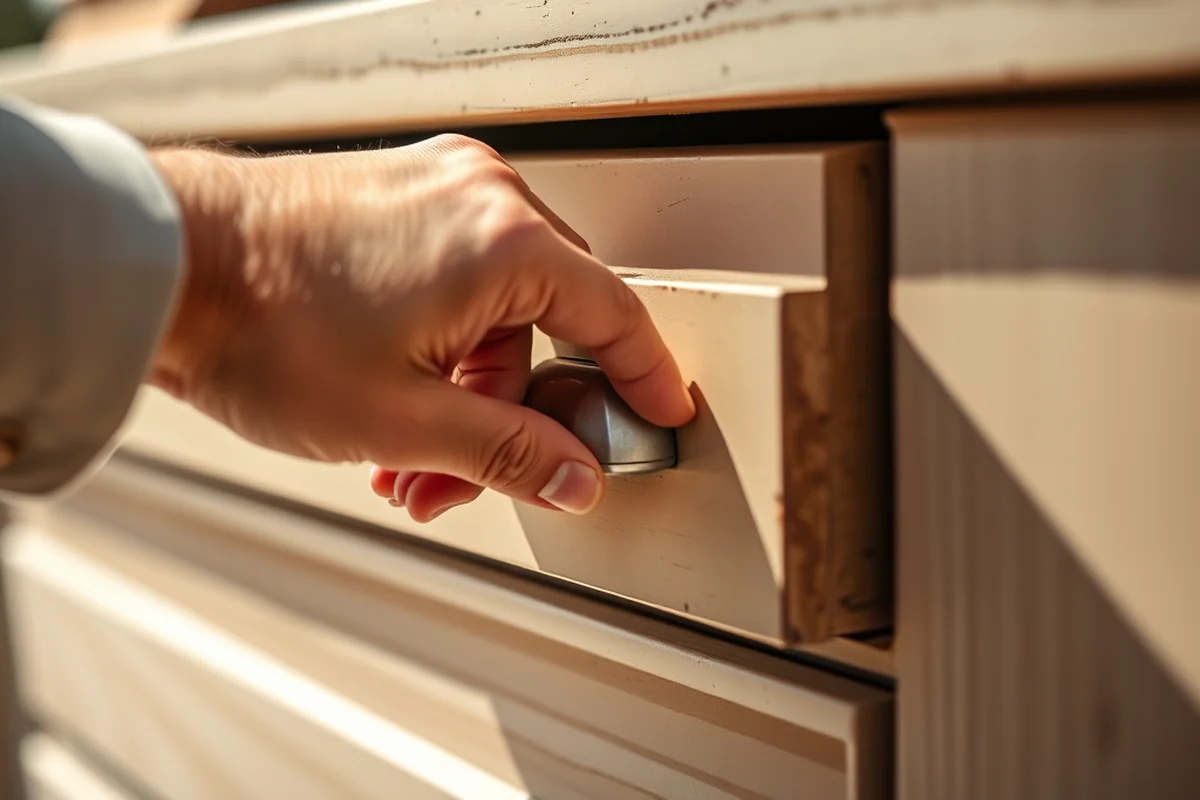
Installation is the most crucial part of the process, and it’s where many people make mistakes. I’ve seen too many installations that failed because the user skipped a step or rushed through the process. Start by ensuring your vehicle is on a level surface and the roof is clean and dry. Any debris or moisture can compromise the adhesive used in some mounting systems.
Follow the manufacturer’s instructions closely. Thule provides detailed, step-by-step guides with each model, which are invaluable. I always recommend reading through the entire manual before starting. If you’re installing the racks on a vehicle you don’t own, make sure the owner is involved — they’ll be the one dealing with the consequences if anything goes wrong.[2]
Once installed, test the stability of the roof racks. You can do this by gently pressing down on them or placing a small object on top to see if it moves. If you notice any wobbling, recheck the mounting points and tighten any loose fittings. This step can prevent serious issues later on.
A little extra care during installation can save you a lot of trouble down the road.
Related: What is cable rack
Maximizing the Use of Your Thule Roof Racks
Thule roof racks are not just for hauling gear — they can be adapted for a variety of uses. I’ve used mine to carry bikes, kayaks, camping equipment, and even a small rooftop tent. With the right accessories, you can transform your roof into a multi-functional platform. Thule offers a range of accessories, from bike mounts to cargo nets and tie-downs that make securing items easy.
One of the best features of Thule roof racks is their adjustability. You can position the crossbars to suit different load sizes and configurations. I’ve found that this flexibility is especially useful for weekend trips where I might need to carry both bikes and camping gear in one go. The ability to reconfigure the setup on the fly is a real game-changer.
Don’t overlook the potential for customization. Thule roof racks can be painted or finished to match your vehicle’s color, which adds a personal touch and makes them blend in seamlessly. I painted mine to match my truck, and it made the whole setup look more polished and professional.
Use your Thule roof racks for more than just hauling — think about how you can customize and repurpose them for different needs.
“I remember the first time I installed Thule roof racks on my truck — it felt like unlocking a new dimension of utility.”— Creating DIY Wooden Coat Racks editors
Related: Scrabble rack boulter
Maintaining Your Thule Roof Racks for Longevity

Like any piece of equipment, Thule roof racks require some care to maintain their performance and appearance. I’ve noticed that even the best systems can degrade over time if not properly maintained. Start by cleaning the roof racks regularly — a simple wipe down with a damp cloth and mild soap can remove dirt, grime, and road salt that accumulate over time.
Check the mounting points periodically to ensure they are still secure. Even the tightest fittings can loosen with vibration and use. I’ve found that tightening the bolts once a month can prevent issues from arising. If you notice any signs of corrosion, especially on aluminum components, clean them immediately and apply a protective coating if needed.
During the winter months, it’s especially important to keep your roof racks clean and free of ice. I’ve learned the hard way that ice can damage the mounting points and make it difficult to remove the racks when needed. A de-icing spray or a gentle brush can help keep your roof racks in working condition through the cold season.
Related: What is the tow bar
Safety Considerations When Using Thule Roof Racks
Safety should always be a top priority when using Thule roof racks. I’ve seen several instances where improper installation or overloading the racks led to serious accidents. First, never exceed the weight limit specified by the manufacturer. Thule clearly states the maximum load capacity for each model, and it’s crucial to respect these limits.
Secure your gear properly using the included tie-downs and cargo nets. Loose items can shift during transit and cause instability. I’ve found that using a combination of bungee cords and straps provides the best results. If you’re carrying something fragile, consider using foam padding or other protective materials to prevent damage.
If you’re driving in areas with high winds or rough terrain, take extra precautions. I’ve had my roof rack shaken loose on a highway due to a sudden gust of wind, and it was a scary experience. Always ensure your roof racks are properly fastened and your load is evenly distributed before hitting the road.
Related: What is rack and pinion assembly
The Cost-Effectiveness of Thule Roof Racks
I know what you’re thinking — Thule roof racks are expensive. But after years of using them, I can confidently say they’re a worthwhile investment. Compared to other brands, Thule offers a combination of durability, performance, and customer support that justifies the cost. I’ve had my roof racks for over five years, and they’ve held up to everything from heavy cargo to harsh weather conditions.
The cost of Thule roof racks is also offset by the fact that they’re built to last. Many users report that their Thule systems outlast other brands by several years, which means you’re not replacing them as frequently. I’ve also found that the resale value of vehicles with Thule roof racks is often higher, as they add a level of utility that buyers appreciate.
Also, the cost of installation is minimal compared to what you’d spend on other types of roof systems. Thule provides comprehensive installation guides, and in most cases, you can install the system yourself without needing professional help. This can save you hundreds of dollars in labor costs.
Investing in quality now can save you money and hassle in the long run.
Related: What is rack storage
Community and Support with Thule Roof Racks
One of the things I love about Thule is the sense of community that comes with owning their products. I’ve joined several online forums where users share their experiences, tips, and even custom modifications for their roof racks. It’s a great way to learn from others and get advice on the best ways to use your system.
Thule also offers excellent customer support. If you ever run into issues with your roof racks, their team is always ready to help. I once had a question about compatibility with a newer model of truck, and within minutes, I had a response from a Thule representative. This level of support is rare and makes a big difference.
Many users also share DIY modifications, like custom paint jobs or additional mounting points. I’ve seen people build entire rooftop storage systems using Thule components, and it’s inspiring to see the creativity that comes from using these products. The community is a great resource for anyone looking to get the most out of their Thule roof racks.
💰 Budget-Friendly Build
Opt for a basic model that offers reliable performance at a lower cost.
⏰ Weekend Warrior Version
Install your Thule roof racks in one weekend with minimal effort and time.
🎨 Upgraded Finish
Customize your roof racks with a paint job or protective coating for long-term use.
📦 Small-Space Adaptation
Use Thule roof racks to maximize storage in tight spaces with compact configurations.
🛞 Rental-Safe Option
Choose a model that’s easy to remove and store for rental vehicles or temporary use.
| The mistake | Why it happens | The fix |
|---|---|---|
| Overloading the roof racks with more weight than the manufacturer specifies. | Always adhere to the weight limits provided by Thule. If you need to carry more, consider using a different model or adding additional support. | |
| Failing to secure gear properly with tie-downs and cargo nets. | Use the included tie-downs and cargo nets to secure your items properly. Check the tightness of your straps regularly during transit. | |
| Ignoring regular maintenance and cleaning of the roof racks. | Clean your roof racks regularly and check for signs of wear or damage. Address any issues promptly to prevent further deterioration. | |
| Not tightening the mounting bolts periodically. | Tighten the mounting bolts at least once a month. If you notice any signs of looseness, recheck and tighten them immediately. | |
| Using the roof racks in extreme weather conditions without proper preparation. | Clean your roof racks thoroughly after exposure to extreme weather. Use protective coatings or de-icing sprays as needed to maintain their performance. | |
| Not checking the compatibility of the roof racks with your vehicle’s roof before purchase. | Always check compatibility with your vehicle before purchasing. Consult Thule’s compatibility guide or contact their customer support for assistance. |
Thule Roof Racks
Common Questions
How do I know which Thule roof rack model is right for my vehicle?
Can I install Thule roof racks myself, or do I need professional help?
What are the weight limits for Thule roof racks?
How long does it take to install Thule roof racks?
References
- Classifieds - Fort Lewis College (apps.fortlewis.edu)
- Bloodlines of Illuminati - CIA (cia.gov)
- S. Rept. 117-39 - NATIONAL DEFENSE AUTHORIZATION ACT FOR ... (congress.gov)
- Penn State's Connected and Autonomous Vehicle Program ... (connectedvehicles.psu.edu)
Cite this guide
Creating DIY Wooden Coat Racks (2026). Thule Roof Racks. https://carvecharm.com/thule-roof-racks/
Feel free to cite or share this guide.