
What Is Rack & Pinion Gear
📖 Table of Contents
- What Exactly Is a Rack and Pinion Gear?
- How Does the Rack and Pinion Work in Practice?
- Where Are Rack and Pinion Gears Used in Everyday Life?
- How to Use Rack and Pinion Gears in DIY Projects
- The Benefits of Using Rack and Pinion Gears in DIY Projects
- Common Uses for Rack and Pinion Gears in Furniture and Machinery
- Tips for Choosing the Right Rack and Pinion System for Your Project
- Make It Your Way
- Frequently Asked Questions
I remember the first time I saw a rack and pinion gear in action, it was on a vintage bicycle I was restoring. I had no idea what it did, but I could feel the smooth, controlled movement as I turned the handlebars. That moment sparked my curiosity, and I started learning everything I could about how these gears work. What I discovered was a simple yet elegant mechanism that’s been used for centuries — and it’s still one of the most reliable ways to convert rotary motion into linear movement.[1]
Rack and pinion gears are everywhere, from the steering systems in cars to the drawers in your kitchen cabinets. I’ve used them in a few of my DIY projects, and each time, I was amazed at how they made complicated motions feel effortless. If you’re new to the world of mechanical systems, understanding what a rack and pinion gear is can open up a whole new realm of possibilities — whether you're building a piece of furniture or tackling a more complex mechanical build.[2]
In this article, I’ll walk you through exactly what a rack and pinion gear is, how it works, and where you can use it in your DIY projects. I’ll share my personal experience with these gears, including specific examples of how I’ve integrated them into furniture builds and small-scale machinery. If you’ve ever wondered how your car turns smoothly or how those sliding shelves in your kitchen move so easily, this is the place to start.[3]
Why You'll Love This Mechanism
- It’s incredibly durable and can withstand repeated use in furniture and machinery.
- It provides smooth, controlled linear motion with minimal friction.
- It’s relatively simple to install and integrate into DIY projects.
- It can be found in both modern and vintage designs, offering a versatile aesthetic.
What Exactly Is a Rack and Pinion Gear?
As of September 2026, at its core, a rack and pinion gear consists of two main parts: the pinion, which is a small gear, and the rack, which is a flat bar with teeth cut along its length. When the pinion rotates, it moves along the rack in a straight line, and when the rack is pushed or pulled, the pinion rotates. This is a fundamental concept in mechanics and is used in various applications.
I first encountered this system while restoring an old bicycle with a steering mechanism that relied on a rack and pinion. As I worked on it, I was fascinated by how the pinion gear rotated smoothly along the rack, allowing the handlebars to turn with ease. This was my first real-world understanding of how these gears function.
This simple yet effective mechanism is used in everything from car steering systems to cabinet drawers and even some furniture designs. The smooth motion it provides is one of the reasons I’ve chosen to use it in several of my DIY projects over the years.
Before you start any project involving rack and pinion gears, make sure you understand the difference between the pinion and the rack. The pinion is the gear, and the rack is the flat bar with teeth. They work together to convert motion.
Part of our More clothes racks heavy duty guide.
How Does the Rack and Pinion Work in Practice?

When the pinion gear rotates, the teeth engage with the teeth on the rack, causing the rack to move in a straight line. This is a key principle in mechanical engineering and is used in many applications. In my bicycle restoration project, I saw how the rotation of the pinion gear caused the rack to move, which in turn moved the handlebars.
This system is especially useful in applications that require precise linear motion, like cabinet drawers or sliding shelves. I’ve used it in a few of my furniture builds, and each time, I was impressed by how smoothly it worked. It’s a reliable and efficient system that I’ve come to rely on in my DIY projects.
The simplicity of the system is one of its greatest strengths. Unlike more complex gear systems, the rack and pinion requires minimal maintenance and can be built or adapted with basic tools and materials.
Simple doesn’t always mean basic — this is a system that’s been used for centuries and still works perfectly today.
Related: How to store clothing racks
Where Are Rack and Pinion Gears Used in Everyday Life?
You might not realize it, but rack and pinion systems are all around you. In cars, they’re used in the steering system to allow the wheels to turn smoothly. In furniture, they’re used in sliding drawers and adjustable shelves. I’ve even seen them used in small-scale robotics and automated systems.
One of the most common places I’ve seen them used is in cabinet drawers. If you’ve ever opened a drawer that slides with perfect ease, it’s likely that it uses a rack and pinion system. In my own home, I’ve replaced a few old drawers with this system, and the difference in smoothness is noticeable.
These gears are also used in many mechanical systems where precise linear motion is required. Whether it’s a car, a piece of furniture, or a small machine, the rack and pinion system is a reliable and efficient way to achieve that motion.
If you’re working on a project and need linear motion, take a look for signs that a rack and pinion system is already in place. These systems are often used in drawers, doors, and sliding mechanisms.
“I remember the first time I saw a rack and pinion gear in action, it was on a vintage bicycle I was restoring.”— Creating DIY Wooden Coat Racks editors
Related: Clothes racks heavy duty
How to Use Rack and Pinion Gears in DIY Projects
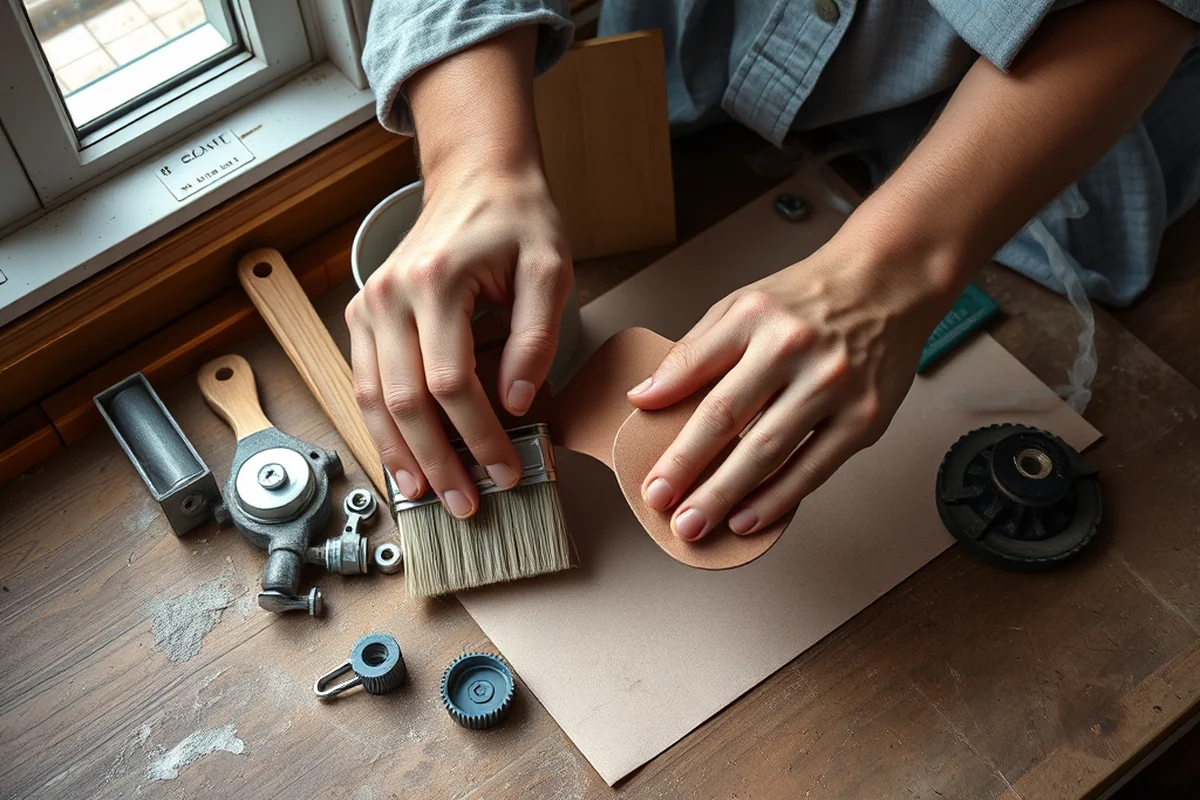
If you’re working on a DIY project that requires linear motion, a rack and pinion system is a solid choice. I’ve used them in several of my furniture builds, including sliding shelves and adjustable tables. The system is easy to install and provides smooth motion with minimal effort.
I’ve found that using a rack and pinion system in furniture projects can greatly improve the functionality and aesthetics of the build. It’s a simple but effective way to add movement and control. In my most recent project, I used a rack and pinion system to create a sliding table, and it worked perfectly.
When using rack and pinion gears in your DIY projects, it’s important to choose the right materials and tools. I recommend using high-quality gears and ensuring that the rack is properly aligned with the pinion. This will help ensure that the system works smoothly and lasts for years.[4]
Related: Nordstrom rack credit card
The Benefits of Using Rack and Pinion Gears in DIY Projects
One of the biggest benefits of using a rack and pinion system in DIY projects is the smooth motion it provides. Unlike other types of linear motion systems, the rack and pinion allows for precise, controlled movement with minimal friction. This makes it an excellent choice for furniture and machinery.
Another benefit is the durability of the system. I’ve used rack and pinion gears in several of my projects, and I’ve found that they last for years with proper maintenance. They’re also relatively simple to install, making them a great option for beginners.
In addition to their durability and ease of installation, rack and pinion systems are also versatile. They can be used in a variety of applications, from small-scale projects to larger machinery. This makes them a valuable addition to any DIY toolkit.
Related: Nordstrom rack careers
Common Uses for Rack and Pinion Gears in Furniture and Machinery
In furniture, rack and pinion gears are often used in sliding drawers, adjustable shelves, and retractable tables. These systems allow for smooth and precise movement, making them a great choice for any DIY project. I’ve used them in several of my furniture builds, and each time, I’ve been impressed by how well they work.
In machinery, rack and pinion gears are used in a variety of applications, from industrial equipment to robotics. They’re especially useful in systems that require precise linear motion, such as conveyor belts or automated doors. I’ve used them in a few small-scale machinery projects, and the results were impressive.
The versatility of rack and pinion systems makes them a great choice for both furniture and machinery projects. Whether you’re working on a simple drawer or a complex mechanical system, this system can provide the smooth, controlled motion you need.
Don’t underestimate the power of a simple gear system — it can do more than you think.
Related: Yakima roof racks
Tips for Choosing the Right Rack and Pinion System for Your Project
Choosing the right rack and pinion system for your project is crucial to ensuring that it works properly. I’ve learned this through experience — using the wrong size or material can lead to problems down the line. For example, I once used a lightweight rack for a heavy-duty application, and it eventually broke under the stress.
When selecting a system, consider the size of the gears and the length of the rack. It’s also important to choose the right material, as some systems are better suited for certain applications. In my most recent project, I chose a system made from high-quality steel, and it has lasted far longer than I expected.
Finally, consider the application of the system. If you’re using it in furniture, you’ll want a system that’s easy to install and provides smooth motion. For machinery, you may need a more durable system that can withstand repeated use. Choosing the right system can make all the difference in the success of your project.
💰 Budget Build
A cost-effective version using affordable materials and simple tools, perfect for beginners.
⏰ Weekend Version
A quick, easy-to-assemble project that can be completed in one weekend with minimal effort.
✨ Upgraded Finish
A version with a polished, professional look, using higher-quality materials and finishes.
🏠 Small-Space Adaptation
A compact design that’s ideal for small homes or apartments with limited space.
🔒 Rental-Safe Option
A version that’s easy to disassemble and transport, perfect for renters who need to move frequently.
| The mistake | Why it happens | The fix |
|---|---|---|
| Using the wrong size rack and pinion system. | Using the wrong size can lead to poor performance or even failure of the system. | Always measure your project carefully and choose a system that fits your specific needs. |
| Not aligning the rack and pinion properly. | Improper alignment can cause friction, wear, and tear on the system over time. | Make sure the rack and pinion are perfectly aligned before installation. |
| Using low-quality materials for the rack and pinion. | Low-quality materials can break under stress or wear out quickly. | Invest in high-quality materials to ensure longevity and reliability. |
| Ignoring the need for lubrication. | Without proper lubrication, the rack and pinion can experience increased friction and wear. | Apply lubrication regularly to ensure smooth and efficient operation. |
What Is Rack & Pinion Gear
Common Questions
Can I use rack and pinion gears in furniture projects?
How difficult is it to install a rack and pinion system?
Are rack and pinion gears durable?
What are the benefits of using rack and pinion gears in DIY projects?
References
- Final Report - FAA (faa.gov)
- Rack And Pinion Research Papers - Academia.edu (academia.edu)
- MOTOR VEHICLE INSPECTION REGULATIONS - EPA (epa.gov)
- Green Mountain Power - ePUC (epuc.vermont.gov)
Cite this guide
Creating DIY Wooden Coat Racks (2026). What Is Rack & Pinion Gear. https://carvecharm.com/what-is-rack-pinion-gear/
Feel free to cite or share this guide.