
What Is Display Shelves
📖 Table of Contents
I remember the first time I stood in front of my newly built display shelf, the scent of fresh wood still lingering in the air. It wasn’t just a shelf — it was a canvas, a way to curate my space with intention and style. Display shelves are more than functional furniture; they’re a personal statement, an opportunity to showcase your taste and creativity. Whether you're arranging books, plants, or collectibles, the right shelf can transform a room from ordinary to extraordinary.
When I first started exploring DIY projects, display shelves were the first thing I considered. They’re simple to build, yet they offer a unique blend of utility and aesthetics that’s hard to beat. I spent hours researching different styles, materials, and techniques, and what I learned changed the way I think about decor. A well-constructed display shelf doesn’t just hold objects — it draws the eye, adds depth, and can even influence the mood of a room.[1]
The beauty of display shelves is that they’re incredibly versatile. I’ve seen them used in living rooms, kitchens, and even offices, each one tailored to fit the needs of the space. Whether you’re a seasoned DIYer or a complete beginner, building a display shelf is a great first project. It’s a chance to experiment with materials, finishes, and layout, all while creating something that’s uniquely yours. And the best part? You get to personalize every detail.
Why You'll Love This Project
- A custom display shelf adds personality to any room
- Easy to build with minimal materials and tools
- Versatile enough to fit any style or space
- A great way to showcase your favorite items and decor
What Exactly Are Display Shelves?
As of September 2026, Display shelves are essentially open, horizontal structures used for storing and displaying items. Unlike closed cabinets, they allow for visibility, making them ideal for showcasing art, books, or collectibles. The key feature is that they’re not just storage — they’re an aesthetic element.
I’ve built several display shelves over the years, and each one has been tailored to a specific room. In my living room, I used a tall, narrow shelf to display books and art. In my kitchen, I opted for a wider, lower shelf to hold kitchen tools and plants. The versatility is one of the best parts.
What makes display shelves special is their ability to blend into a room while still making a statement. They’re not just functional — they’re a way to express your personality and taste through design.
When building your display shelf, consider the type of wood or material you're using. For a rustic look, pine or reclaimed wood works well, while oak or maple offers a more polished finish.
Designing Your Display Shelf
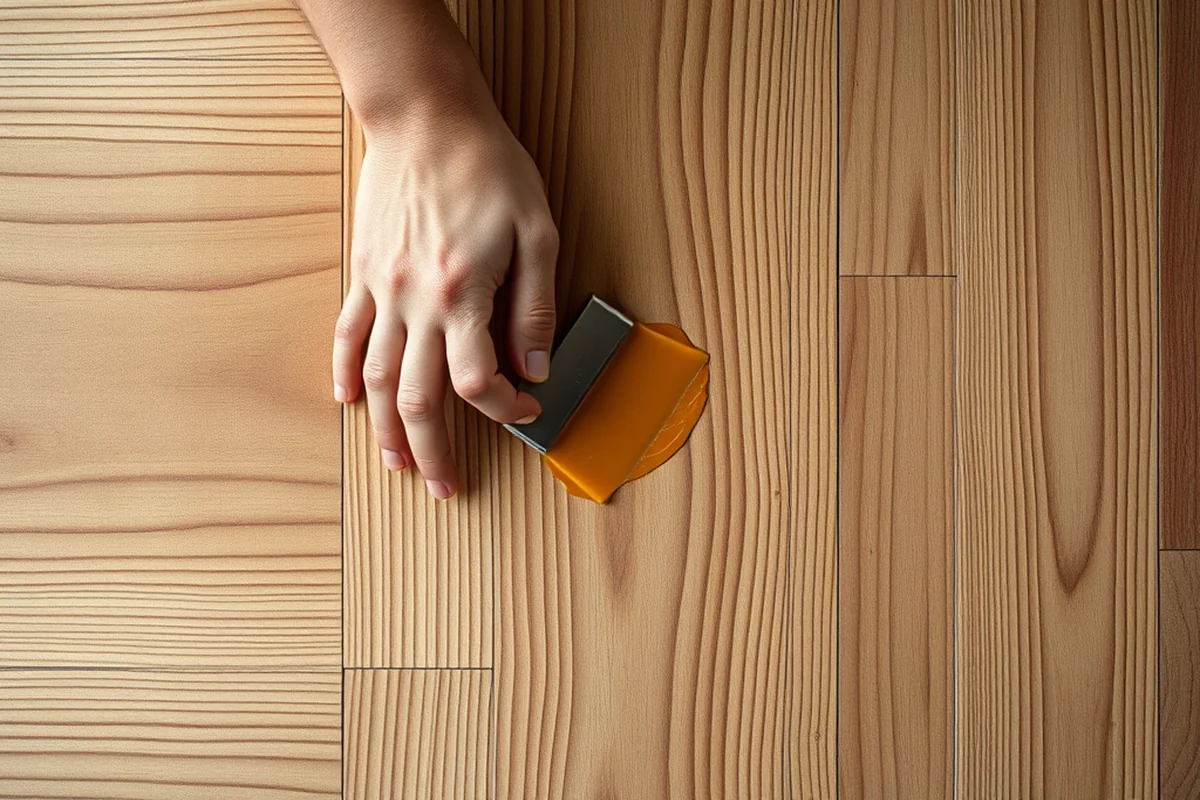
Before you start building, take time to plan your design. Measure the space where you'll place the shelf and sketch out a rough layout. This step can save you time and materials later. I always sketch out my shelves on paper before starting any project.
Think about the height — a shelf that’s too high or too low can look out of place. I’ve found that a shelf placed at eye level (around 57 to 60 inches from the floor) works best in most rooms. It’s also important to consider the weight capacity. If you plan to put heavier items on the shelf, use thicker wood or add brackets for support.[2]
Once you have a general idea, you can start sourcing materials and tools. I usually use 1x3 or 1x4 wood planks for my shelves, but the exact dimensions can vary depending on the size of the shelf you’re building.
Measure twice, build once — it saves you from the headache of last-minute adjustments.
Related: Creating shelves in a pond
Choosing the Right Tools
The right tools make all the difference in your DIY project. I’ve invested in a few key tools over the years, including a miter saw for precise cuts, a power drill with a screwdriver bit, and a good-quality level. These tools help ensure your shelf is built straight and sturdy.
One tip I picked up early on was to use clamps to hold the pieces together while you’re screwing them in place. It keeps the pieces from shifting and gives you a more professional finish. I’ve also found that using a square to check the corners helps ensure everything lines up perfectly.
If you’re a beginner, start with the simplest tools and work your way up. You don’t need to have every tool in the world — just the essentials to get the job done.
Start with the essentials — a saw, a drill, and a level. These tools are affordable and will get you through most DIY shelf projects. As you gain confidence, you can invest in more advanced tools.
“I remember the first time I stood in front of my newly built display shelf, the scent of fresh wood still lingering in the air.”— Creating DIY Wooden Coat Racks editors
Related: Creating shelves in a wall
Assembling Your Display Shelf
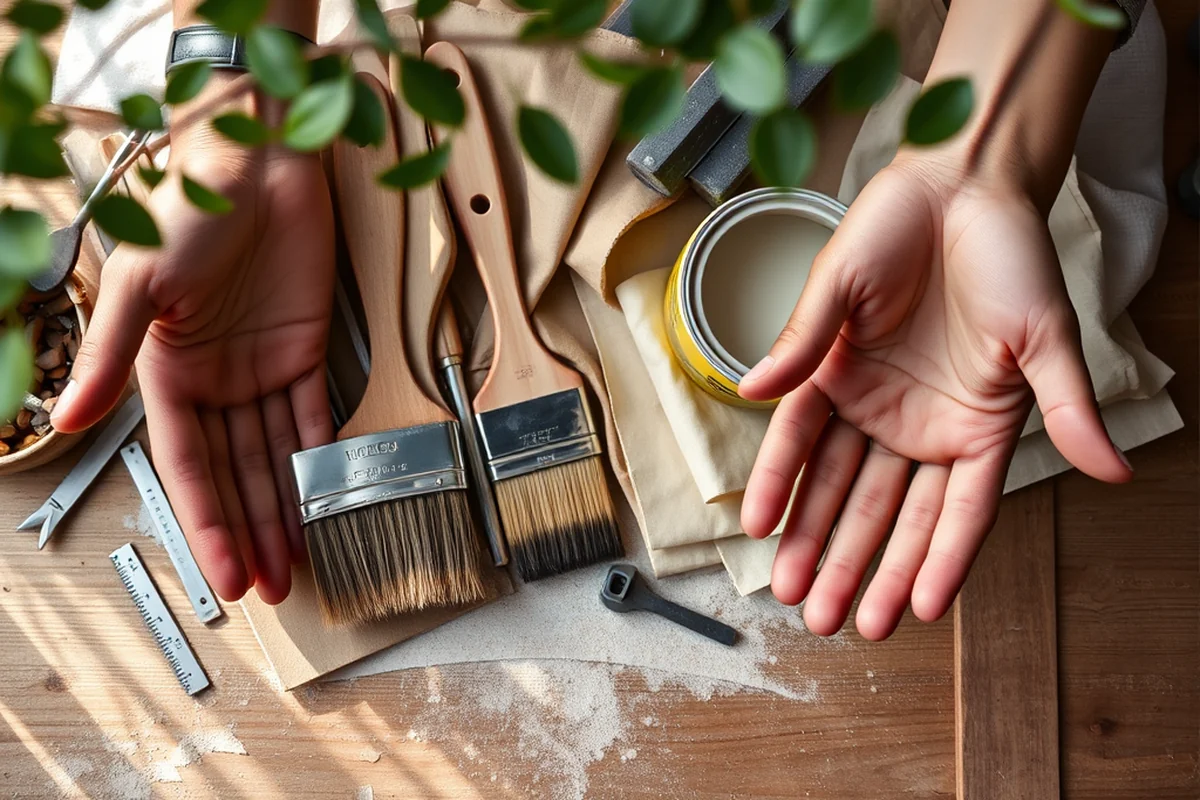
Once you have all your materials and tools ready, it’s time to start cutting the wood. Measure and mark the dimensions on your planks, then carefully cut them using your saw. It’s important to cut accurately — a small mistake here can throw off the entire shelf.
After cutting, use your clamps to hold the pieces together. Then, use screws and a drill to attach the sides, back, and supports. I always use wood screws for a stronger hold, but you can also use nails if you prefer. Just make sure to countersink them to avoid splintering.
Once everything is attached, use your level to check that the shelf is even. If it’s not, adjust the legs or add shims underneath to make it level. This step is crucial — an uneven shelf can look unprofessional and may even cause it to wobble over time.
Related: Crafting storage containers
Finishing Touches and Styling
Finishing your shelf is where your personal style really shines. I love using wood stains to bring out the natural grain of the wood, but paint is also a great option if you want a bold, modern look. I’ve painted some of my shelves in bold colors like navy blue and deep green, which have become focal points in my home.
Hardware like brackets, knobs, and handles can add a decorative touch. I’ve used simple, matte black brackets on some of my shelves for a minimalist look, while others have more ornate hardware for a rustic feel. These small details can elevate the overall look of the shelf.
Once the finish is dry, it's time to style the shelf. Arrange your items with intention — balance is key. I always start by placing the largest items first, then fill in the gaps with smaller objects like books, plants, and decorative trinkets. A well-styled shelf doesn’t just look good — it feels inviting.
Related: Creating alcove shelves
Customizing Your Display Shelf
One of the best things about building a display shelf is that you can customize it to suit your needs. I’ve built shelves with open backs for a more industrial look, and others with closed backs for a cleaner, more modern appearance. The options are endless.
If you want to add extra functionality, consider adding drawers or cabinets to the base of your shelf. This is a great way to combine storage with display. I’ve built a few shelves with built-in drawers that I use to store books and magazines, while the top part is used for display.
Another way to customize your shelf is by adding lighting. I’ve installed small LED strips underneath some of my shelves to highlight the items on display. It adds a nice ambient glow and makes the shelf stand out in the room.
Customization is the key to making your display shelf truly your own.
Related: What is closet shelving
Maintaining Your Display Shelf
Once your display shelf is built and styled, it’s important to maintain it properly. I’ve found that cleaning it regularly with a soft cloth and mild cleaner keeps it looking new. I avoid using harsh chemicals that could damage the finish or wood.
If you notice any scratches or dents, you can use wood filler to repair them. I’ve used this technique on a few of my shelves, and it works surprisingly well. Just make sure to sand the area smooth after the filler dries.
For shelves that are used frequently, it’s a good idea to reinforce the joints with wood glue. This helps prevent the shelf from loosening over time. I’ve also used brackets or supports for heavier items to ensure everything stays secure.
💰 Budget Build
This variation uses affordable materials like pine or MDF to create a simple, functional display shelf without breaking the bank.
⏳ Weekend Version
A quick and easy build that can be completed in a single weekend with minimal effort and tools.
🌟 Upgraded Finish
This version focuses on high-quality finishes, such as lacquer or polyurethane, to give your shelf a professional, polished look.
📏 Small-Space Adaptation
A smaller, compact display shelf designed for tight spaces like apartments or home offices.
🔒 Rental-Safe Option
This variation uses temporary, damage-free materials that can be easily removed without leaving a mark on rental properties.
| The mistake | Why it happens | The fix |
|---|---|---|
| Not measuring the space properly before starting | This can lead to a shelf that doesn’t fit well in the room or is not at the right height. | Always measure the space and take notes before you begin cutting any wood. |
| Using the wrong type of wood or screws | This can result in a shelf that is unstable or doesn’t hold up over time. | Use wood screws for a stronger hold, and choose a durable type of wood that can support the weight of your items. |
| Skipping the leveling step | An uneven shelf can wobble and look unprofessional. | Use a level to check the shelf and adjust it as needed before finalizing the assembly. |
| Overlooking the finishing touches | A shelf without proper finishing can look unfinished and may be more prone to damage. | |
| Not reinforcing the joints properly | A shelf that is not reinforced can become unstable or even collapse under heavy items. | Use wood glue to reinforce the joints and add brackets or supports for heavier items. |
What Is Display Shelves
Common Questions
How do I choose the right size for my display shelf?
Can I build a display shelf without any prior experience?
What are the best materials to use for a display shelf?
How can I make my display shelf look more finished?
References
- The Use of Observational Technology to Study In-Store Behavior (pmc.ncbi.nlm.nih.gov)
- Detail of lockers and display cabinets in sewing room, shelves and ... (azmemory.azlibrary.gov)
Cite this guide
Creating DIY Wooden Coat Racks (2026). What Is Display Shelves. https://carvecharm.com/what-is-display-shelves/
Feel free to cite or share this guide.