
2K Clear Coat
📖 Table of Contents
- What is 2K Clear Coat and Why It Matters
- The Right Tools for the Job
- Preparing the Surface for 2K Clear Coat
- Applying the 2K Clear Coat: Step-by-Step
- Troubleshooting Common Issues with 2K Clear Coat
- Longevity and Care of 2K Clear Coat Finishes
- Creative Uses for 2K Clear Coat in DIY Projects
- Make It Your Way
- Frequently Asked Questions
I remember the first time I applied 2k clear coat to a piece of reclaimed wood, the way the surface transformed under the layers of glossy protection was nothing short of magical. It wasn’t just about the finish—it was about how the material itself seemed to breathe under the coating, gaining a new life and purpose. The 2k clear coat is one of those tools that sits quietly on the shelf until you find the right project to unleash its full potential.
Over the years, I’ve learned that 2k clear coat is not just a glossy top layer—it’s a critical component of durability and aesthetics in DIY furniture. Unlike traditional finishes, it offers a harder, more scratch-resistant surface without the need for multiple coats, and it dries faster, which is a huge win for weekend warriors and full-time crafters alike. I’ve used it on everything from a rustic coffee table to a minimalist bookshelf, and each time, the results have been nothing short of impressive.
The 2k clear coat isn’t just a finish; it’s a game-changer. I’ve seen it hold up in high-traffic areas, resist moisture and scuff marks, and even look better with age. It’s a finish that’s earned its place in my workshop, and I’m here to share everything I’ve learned about how to use it effectively, from preparation to application. Let’s explore the world of 2k clear coat and discover why it’s worth every drop of effort.
Why You'll Love This 2K Clear Coat Finish
- Exceptional scratch resistance for high-traffic furniture
- Quick drying time for efficient DIY projects
- Easy to apply with minimal tools
- Long-lasting protection and a glossy finish
What is 2K Clear Coat and Why It Matters
As of September 2026, 2K clear coat, also known as two-component clear coat, is a type of polyurethane finish that consists of two parts: a resin and a catalyst. When mixed together, they create a fast-drying, highly durable topcoat that’s perfect for furniture. I first used it on a set of wooden shelves and was immediately impressed by how quickly it hardened and how resistant it was to scratches and stains.
The key to its performance lies in the chemical reaction between the two components. Unlike traditional one-part finishes, which rely on air exposure to cure, 2K clear coat reacts with itself to form a tough, glossy surface. I’ve found that this makes it particularly well-suited for surfaces that are exposed to moisture, sunlight, or frequent use, like coat racks and dining tables.
In my experience, the 2K clear coat is not just about aesthetics—it’s about functionality. I've used it on a kitchen island and found that it resisted oil spills and coffee rings effortlessly. It’s a finish that’s built to last and looks great doing it.
Always measure the parts precisely—most 2K clear coat kits use a 1:1 ratio. Use a digital scale for accuracy and mix thoroughly for even coverage.
Part of our Coat hanger guide.
The Right Tools for the Job
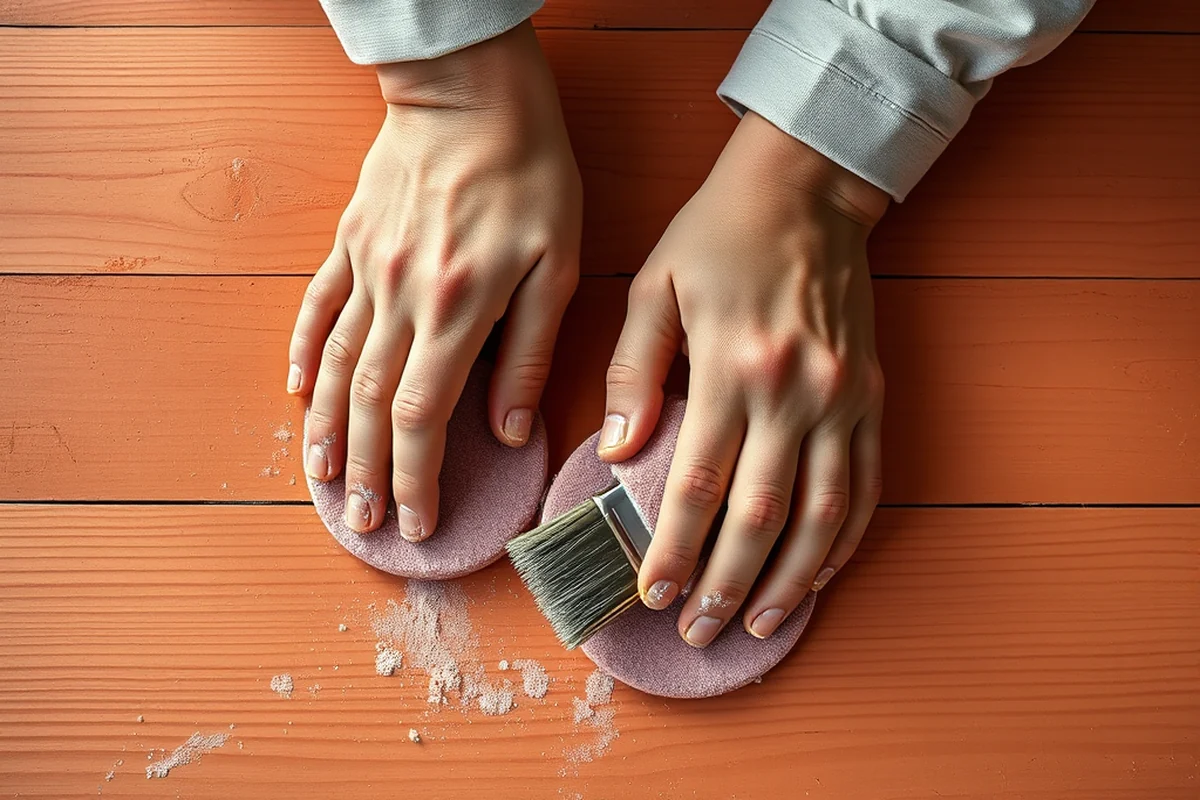
The tools you choose can make or break your 2K clear coat project. I recommend starting with a high-quality brush and a spray gun for even coverage. I’ve found that a synthetic bristle brush works best for applying the first coat, while a spray gun is ideal for achieving a smooth, glossy finish without brush marks.[1]
I also use a foam roller for larger surfaces, but only after the first coat has been applied and cured. It’s important to work in a well-ventilated area, as the fumes from the 2K clear coat can be strong. I always wear a respirator and use a fan to keep the air moving.
For cleanup, I keep a can of mineral spirits and a set of microfiber cloths handy. I’ve learned that cleaning tools immediately after use is the best way to keep them in good working condition and avoid clogging from the hardening finish.
Choose the right tools, and your 2K clear coat will look like it came from a professional shop.
Related: What is the clothes hanger
Preparing the Surface for 2K Clear Coat
No matter how high-quality the 2K clear coat is, it won’t adhere properly to a surface that isn’t prepared. I start by sanding the wood with 120-grit sandpaper to remove any imperfections, then follow up with 220-grit sandpaper for a smooth finish. I’ve noticed that skipping this step can lead to peeling or uneven coverage later on.[2]
After sanding, I wipe the surface with a tack cloth to remove any dust or debris. I’ve also found that using a wood conditioner helps the finish absorb the 2K clear coat more evenly, which is especially important for porous woods like oak or pine.
Finally, I apply a primer if the wood is raw or has a lot of knots. I’ve used a water-based primer in the past and found that it helps the 2K clear coat bond better, resulting in a more even and durable finish.
Never skip the sanding step. A smooth surface is the foundation for a flawless 2K clear coat finish.
“I remember the first time I applied 2k clear coat to a piece of reclaimed wood, the way the surface transformed under the layers of…”— Creating DIY Wooden Coat Racks editors
Related: What s coat hanger
Applying the 2K Clear Coat: Step-by-Step
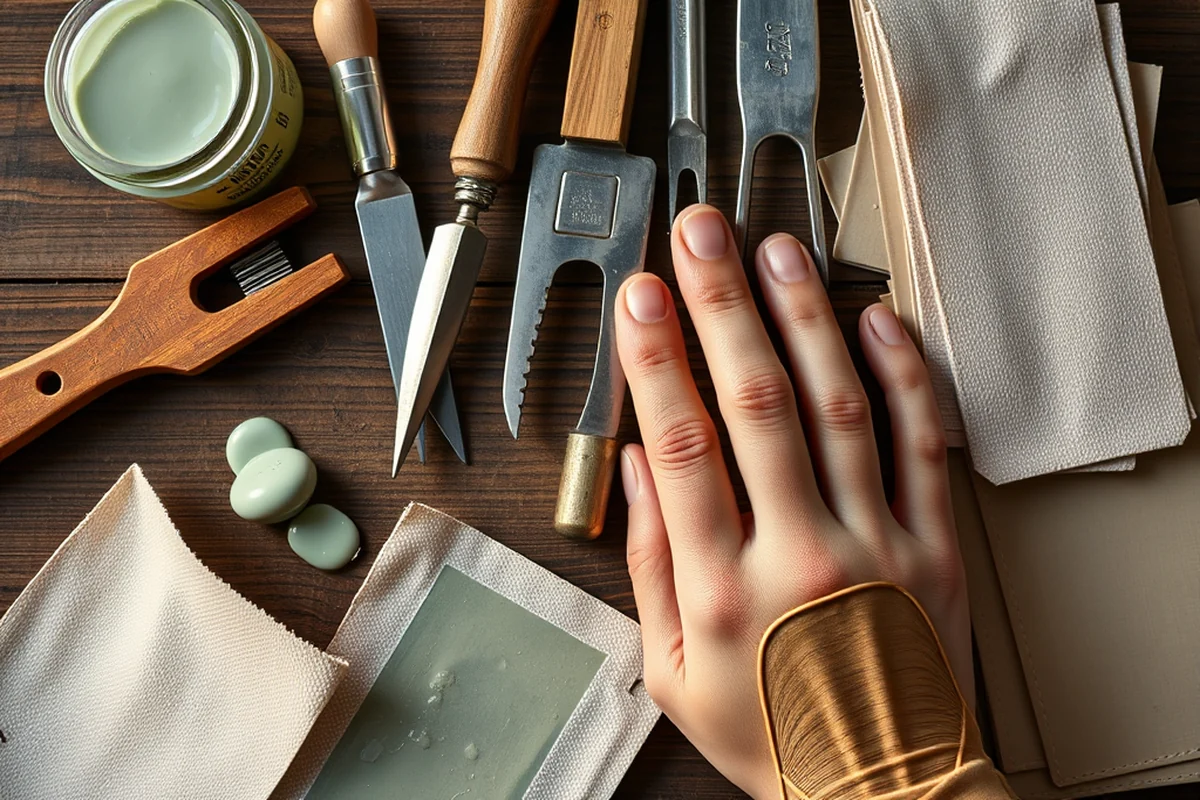
Once the surface is ready, it's time to apply the 2K clear coat. I start with a thin first coat using a synthetic brush, working in the direction of the wood grain. I’ve found that applying it too thick can cause runs or bubbles, so I always work quickly and evenly.
After the first coat has dried for about 20 minutes, I apply the second coat in the same manner. I use a spray gun for the final coat to ensure a smooth, even finish without brush marks. I’ve noticed that the final coat is the most critical step, as it’s what gives the surface its glossy, professional look.[3]
I always let the final coat cure for at least 24 hours before using the piece. During this time, I avoid placing anything on it or touching it, as the finish is still hardening. I’ve learned that patience here is key to achieving a long-lasting, beautiful finish.[4]
Related: Burlington coat factory
Troubleshooting Common Issues with 2K Clear Coat
Even with the best preparation, things can go wrong with 2K clear coat. I’ve had issues with bubbles forming if the surface isn’t clean or if the coat is applied too thickly. To fix this, I make sure to clean the surface thoroughly and apply thin layers.
Another common issue is streaks or uneven coverage, which can happen if the finish is applied too quickly or in inconsistent strokes. I’ve found that working in small sections and applying even pressure helps prevent this. I always test a small area first to see how the finish reacts before proceeding with the whole project.
If the finish feels tacky after drying, it could be a sign of improper mixing or not enough curing time. In my experience, this is often due to mixing the parts in the wrong ratio or not allowing the finish enough time to cure. I’ve learned to always double-check the mixing ratio and ensure the area is well-ventilated.
Related: How much rack cost
Longevity and Care of 2K Clear Coat Finishes
One of the best things about 2K clear coat is how durable it is, but even the best finish can degrade over time if not cared for properly. I’ve found that regular wiping with a microfiber cloth and a mild cleaner helps keep the finish looking glossy and prevents buildup of dust or grime.
Avoiding harsh chemicals or abrasive cleaners is crucial, as they can strip the finish or cause clouding. I’ve used a water-based wood cleaner in the past, and it works well for maintaining the surface without damaging the finish.
If the surface does get scratched, I’ve found that using a fine-grit sanding pad and reapplying a thin layer of 2K clear coat can restore its look. I’ve used this method on a dining table and was impressed by how well it held up to the wear and tear of daily use.
With the right care, your 2K clear coat finish can last for years without losing its luster.
Related: Coat hanger without drilling
Creative Uses for 2K Clear Coat in DIY Projects
I’ve used 2K clear coat on everything from coat racks to coffee tables and even on decorative wall art. It’s a finish that works well on both natural and painted surfaces, and it adds a professional look that can elevate any DIY project. I’ve found that it’s especially useful on projects that require a lot of wear and tear, like entryway tables or kitchen islands.
One of the things I love about using 2K clear coat is how it enhances the natural grain of the wood. It brings out the color and texture, making the piece look more refined and polished. I’ve used it on a set of custom bookshelves and was amazed at how much it improved the overall appearance.
In addition to wood, I’ve experimented with using 2K clear coat on metal surfaces for a more modern look. I’ve used it on a set of industrial-style shelves and found that it created a beautiful contrast between the matte metal and the glossy finish. It’s a versatile tool that can be used in a variety of ways.
💰 Budget Build
Use basic tools and a cost-effective 2K clear coat kit to finish your project without breaking the bank.
⏰ Weekend Version
A quick, efficient way to apply 2K clear coat over the course of a single weekend for a professional finish.
✨ Upgraded Finish
Add a second layer of 2K clear coat and a touch-up kit to enhance the durability and appearance of your finish.
🛋️ Small-Space Adaptation
Use 2K clear coat on compact furniture pieces like side tables or stools to create a polished look in small spaces.
🏠 Rental-Safe Option
Use a low-odor 2K clear coat to avoid damaging rental property while still achieving a professional finish.
| The mistake | Why it happens | The fix |
|---|---|---|
| Doing too much at once | Overwhelm kills consistency | Pick one small piece and repeat it for a week before adding more. |
| Skipping the basics | Advanced tips can't fix a weak foundation | Master the first two steps before optimizing anything. |
2K Clear Coat
Common Questions
Can I use 2K clear coat on painted surfaces?
How long does 2K clear coat take to cure?
Is 2K clear coat safe for use in homes with children or pets?
Can I apply 2K clear coat in a humid environment?
References
- Application of vinyltrimethoxy silane as moisture scavenger for the ... (academia.edu)
- Novel Corrosion Detection Methods for Understanding Polymer ... (aquila.usm.edu)
- Influence of Mold Coating Wear on Heat Transfer Coefficient in ... (digital.wpi.edu)
- Nebraska Driver's Manual (dmv.nebraska.gov)
Cite this guide
Creating DIY Wooden Coat Racks (2026). 2K Clear Coat. https://carvecharm.com/2k-clear-coat/
Feel free to cite or share this guide.